When insight isn't enough,
train the brain
underneath it.
Neurofeedback, qEEG brain mapping, and brain-based recovery coaching for clients
who already know what to do, and need their nervous system to catch up. For addiction
recovery, PTSD & trauma, high performers, and complex cases.
You know the plan. We train the brain that has to run it.
Most people in recovery are not short on insight. They can explain their triggers, name their patterns,
and recite the plan. The problem is that cravings, resentment, and the urge to escape arrive faster than
thought, from a brain that spent years learning them. NeuroRecovery works on that layer: the nervous
system underneath the decision.
Who this path fits
Early recovery, especially the first year after treatment
Long-term recovery with recurring relapse vulnerability
Stepping down from inpatient or residential care
Recovery alongside TBI, ADHD, or chronic sleep problems
Families who need one coordinated plan instead of five
1 What it often looks like
Strong insight in session, automatic behavior between sessions
Anger or resentment that shows up before you notice the trigger
Sleep that never fully resets, so every day starts depleted
Cravings that feel like a decision already made
A treatment history that helped and still did not hold
A family member acting as the unpaid case manager
2 How I work with it
We start with a qEEG brain map, so we are training your brain and not a generic one.
In recovery, the map often shows a nervous system that has trouble settling, or one that is running
flat and reaching for stimulation. Either way, it gives us a concrete training target.
Neurofeedback trains the brain to find and hold more regulated states, so the baseline
you are managing from gets easier. RISE coaching trains the skill of catching the
trigger-to-behavior chain early: notice the body signal, label the state, downshift in 30 to 90 seconds,
then act. Reps, not reflection.
Case management means I talk with your therapist, prescriber, sober coach, treatment
center, and family, so you have one plan and everyone is working from the same data.
3 The first 90 days
Weeks 1 to 2Intake, qEEG brain map, baseline symptom tracking, and a care-team call so everyone starts aligned.
Weeks 2 to 6Coaching sessions and neurofeedback begin. We build your early-warning cues and your Interrupt menu, and start using them in real situations.
Weeks 6 to 12Reps under real pressure, protocol adjustments from the data, a monthly family call, and a written progress report with a follow-up brain map.
Leaving inpatient?A hybrid step-down option combines virtual coaching with a weekly in-person anchor session, as a structured alternative to sober living.
Scope. This is coaching, brain training, and care coordination. It is not addiction treatment or therapy,
and it works best alongside them. Medication questions go to your prescriber; I help coordinate, I never prescribe.
Your mind knows you are safe. Your body has not gotten the message.
Trauma leaves the nervous system tuned for threat: scanning, startling, bracing, or going numb. Talk
therapy can build real understanding and still leave the body on alert. NeuroRecovery adds training that
speaks the body's language, so the downshift becomes something you can do rather than something you
have to wait for.
Who this path fits
PTSD or complex trauma, currently in therapy or between therapists
Hypervigilance, irritability, and a hair-trigger startle response
Sleep onset problems, nightmares, or waking wired at 3 a.m.
Shutdown and numbness alternating with flooding
First responders, veterans, and people in high-exposure careers
1 What it often looks like
Calm until a sound, a smell, or a tone of voice flips a switch
Feeling it in the body first: chest, jaw, stomach, breath
Understanding the trigger and still not being able to stop the reaction
Exhaustion from staying vigilant all day
Pulling away from people, places, and things you used to enjoy
Progress in therapy that the body keeps undoing
2 How I work with it
The brain map comes first. With trauma, maps frequently show patterns consistent with a
nervous system stuck in high alert, or with a brain working hard to suppress it. Seeing that on paper is
often a relief in itself: it is not a character flaw, it is a pattern, and patterns can be trained.
Neurofeedback gives the brain repeated practice at settling, and at staying settled, which
is the capacity trauma erodes. RISE adds a physiology-first interrupt you can run in the
moment: notice the trigger and the body cue, name the state, and downshift with breath and orienting before
the story takes over. We never process traumatic material in coaching. That stays with your therapist.
I coordinate with your therapist (EMDR, somatic, CPT, or any modality), so the brain
training supports the therapy instead of running parallel to it.
3 The first 90 days
Weeks 1 to 2Intake, qEEG brain map, sleep and symptom tracking, and an introduction call with your therapist if you have one.
Weeks 2 to 6Neurofeedback begins with protocols aimed at settling and stability. Coaching builds your early-cue detection and a 60-second downshift you can use anywhere.
Weeks 6 to 12Training continues as the map and your sleep log guide protocol changes. Follow-up brain map and a written progress report you can share with your care team.
PaceWe go at the speed your nervous system allows. Pushing harder is not the goal; staying regulated longer is.
Scope. NeuroRecovery is not trauma therapy and does not diagnose PTSD. It is brain training and coaching
designed to sit alongside your therapist's work. If you are in crisis, call or text 988 or contact local emergency services.
Sharp at 8 a.m., reactive by 3 p.m. That is a trainable pattern.
High performers rarely need more drive. They need a nervous system that recovers as fast as it fires,
so the version of them that shows up under load is the one they chose. NeuroRecovery treats focus,
stress tolerance, and sleep as trainable capacities, with data to show the change.
Who this path fits
Executives, founders, and operators carrying chronic load
Athletes and competitors who want faster recovery between demands
Decision fatigue, short fuse, or a mind that will not switch off at night
Relying on stimulants to turn on and alcohol to turn off
People who want to measure the change, not just feel it
1 What it often looks like
Great in the morning, running hot and reactive by mid-afternoon
Sleep that technically happens but does not restore
Reading the room perfectly and still saying the thing you regret
Working harder for the same output
A gap between how you want to lead and how you react under pressure
Health markers drifting while the calendar fills up
2 How I work with it
qEEG baseline first. The map shows where attention and recovery capacity are leaking:
a brain that cannot idle, one that is over-aroused and calling it focus, or one that is sluggish and
leaning on caffeine. We train toward the pattern you want to perform from.
Neurofeedback builds attention stability and faster recovery between demands.
RISE is delivered as a stress-response skill: detect your state earlier, downshift in
under a minute, then decide from the stronger version of you. Blood panel review and a
supplementation strategy address sleep, inflammation, and energy, coordinated with your physician.
Everything is measured. A follow-up map and your own tracking show whether the training is working,
and the protocol changes when the data says it should.
3 The first 90 days
Weeks 1 to 2Intake, qEEG brain map, lab review if you have recent panels, and a baseline of sleep, focus, and stress tolerance.
Weeks 2 to 6Neurofeedback for attention stability and recovery. Coaching installs the early-detection and downshift skill into your actual week: meetings, travel, the 3 p.m. slump.
Weeks 6 to 12Protocol refinement, lifestyle and supplementation adjustments, a follow-up map, and a written report on what moved.
FormatVirtual coaching with in-person training sessions in Colorado. Remote neurofeedback options exist for travel-heavy schedules.
Scope. Lab and supplement work is educational and coordinated with your physician. Nothing here is a medical
diagnosis or a prescription.
Something is off. Let's look at the brain instead of guessing.
Anxiety, attention problems, poor sleep, lingering post-concussion symptoms, brain fog: they often get
treated one symptom at a time. A brain map gives you a structured look at what is going on underneath,
and a plan that follows from it. Sometimes that plan is training. Sometimes the first step is a
conversation with a physician, and I will tell you which.
Who this path fits
Anxiety or rumination that medication and therapy have only partly touched
Attention and follow-through problems in adults
Sleep that will not come, or will not stay
Post-concussion symptoms that have lingered past the expected window
Brain fog, low energy, and a sense that your thinking is not what it was
1 What it often looks like
Mind racing at night, foggy during the day
Starting things easily, finishing them rarely
Headaches, light sensitivity, or slowed thinking after a head injury
Being told everything looks normal when it does not feel normal
Trying supplements, apps, and routines without a way to tell what is working
2 How I work with it
Map before plan. A qEEG shows how your brain is organizing attention, arousal, and
recovery right now. You get a plain-language walkthrough of what we see and what it may relate to,
interpreted as one piece of the picture, never as a diagnosis.
Then we choose the levers. Neurofeedback where the map points to a trainable pattern.
Coaching for the habits, sleep, and stress responses that keep a pattern in place. Lab review and a
supplementation strategy where physiology is part of the story. For post-concussion, the map doubles as a
baseline so we can track recovery in the data, coordinated with your neurologist or physician.
Honest about fit. If I do not think brain training is the right next step for you,
you will hear that on the first call, along with who I would talk to instead.
3 The first 90 days
Weeks 1 to 2Intake, qEEG brain map, and a results walkthrough. We decide together whether training makes sense and what to track.
Weeks 2 to 8Neurofeedback and coaching, with the protocol set from the map and adjusted as your sleep, focus, and symptom tracking come in.
Weeks 8 to 12Follow-up brain map, a written progress report, and a plan for what to continue, taper, or hand off to another provider.
A la carteA brain map and walkthrough can also stand alone if you simply want to know what is going on before committing to anything.
Scope. Brain maps are not diagnostic tools and NeuroRecovery does not diagnose or treat medical or
mental health conditions. Where the picture points to a medical question, I will help you get it in front of the right provider.
Many clients are not failing because they lack intelligence, insight, or motivation. They are
struggling because the brain and nervous system are stuck in patterns of dysregulation. When
the brain is overloaded, injured, inflamed, addicted, sleep-deprived, or chronically stressed,
the prefrontal cortex loses control, emotional reactivity increases, and behavior becomes more
automatic.
Relapse vulnerability
Impulsivity
Rumination & resentment
Emotional volatility
Poor sleep & recovery
Brain fog
Low stress tolerance
Executive dysfunction
Difficulty sustaining change
Physiological dysregulation
Insight–behavior gap
Reactive decision-making
NeuroRecovery is built to close the gap between knowing what to do and actually being able to do it.
The Solution
An integrated brain-based optimization system.
NeuroRecovery works by combining objective data, structured curriculum, neurofeedback, and
high-touch coaching to support behavior-driven neuroplasticity. The goal is to increase
top-down control, strengthen prefrontal engagement, improve nervous system regulation, and
help clients build practical tools for real-life emotional and behavioral control.
We do not simply talk about change.
We train the brain and behavior systems that make change possible.
Devin Effinger, PhDFounder · NeuroRecovery
The Founder
From lived experience to applied neuroscience.
NeuroRecovery was founded by Devin Effinger, PhD, someone who has
lived on both sides of this work. Following a traumatic brain injury
and a long road through long-term recovery, the path forward required more than insight.
It demanded a working understanding of how the brain, body, and behavior actually move
together.
That understanding became a vocation. Devin spent five years building and running
a nonprofit embedded inside jails, working face-to-face with individuals
navigating addiction, trauma, and behavioral change. The curriculum developed over
thousands of those hours, refined session by session in some of the highest-stakes
environments imaginable, became the foundation for what is now the
RISE Curriculum.
From there, he pursued formal scientific training: a PhD in Pharmacology,
followed by a fellowship at the National Institute on Drug Abuse (NIDA).
That combination of lived recovery, frontline curriculum work, and rigorous neuroscientific
training is the architecture behind NeuroRecovery's approach.
"I built NeuroRecovery to be the integrated system I needed, and the one I never found
in any single program. It is not theory. It is the work, organized."
PhD, PharmacologyMechanisms of brain & behavior
Previous NIDA FellowNational Institute on Drug Abuse
5+ Years Nonprofit LeadershipCurriculum delivery inside jails
Author of the RISE CurriculumReflect · Interrupt · Shift · Engage
Services
A complete brain-based support stack.
Seven services, built to combine, not compete. Each can stand alone or be layered into a personalized
program with case management. They are laid out below in the order a full program usually runs.
Service 01
Comprehensive Blood Panel Analysis
The brain runs on the body. Before we train anything, we look at the physiology underneath energy, mood,
cognition, sleep, and recovery capacity.
We review comprehensive blood panels, metabolic and inflammatory markers, nutrient status, and endocrine
patterns, and translate them into plain language: what looks like a lever, what looks like noise, and what
belongs in front of a physician.
Metabolic and inflammatory markers that affect mood and cognition
Nutrient status tied to energy, sleep, and stress tolerance
Endocrine patterns that shape recovery capacity
A written summary you can share with your doctor
NeuroRecovery does not provide medical diagnosis or prescribe medication. Blood panel analysis is used for
educational and optimization purposes and is coordinated with licensed medical providers.
Service 02
Personalized Supplementation Strategy
Based on lab data, history, goals, and provider collaboration when appropriate, we organize a supplementation
and lifestyle strategy that supports brain health and recovery capacity.
No stacks for the sake of stacks. Every recommendation ties back to something in your data or your goals,
and we track whether it is doing anything.
Nutrient optimization
Inflammation support
Sleep and recovery support
Stress resilience
Cognitive performance support
Supplementation guidance is educational and is reviewed against your medications with your prescriber.
Service 03
1:1 Neurocoaching
Private sessions that connect brain state, physiology, emotion, narrative, and behavior, and then train what
to do about it. Practical, direct, and built for real-world situations.
Sessions are 60 minutes, live by secure video, with in-person options in Colorado. Between sessions you have
message access, and every session ends with one thing to practice before the next.
Emotional regulation and impulse control
Executive function and decision-making under pressure
Recovery planning and relapse-vulnerability work
Identity-based behavior change
Rumination interruption and stress response training
Coaching is skills training, not psychotherapy. It works alongside your therapist, not instead of one.
Service 04 · The RISE Curriculum
Four steps, trained in order, until they run on their own.
RISE is NeuroRecovery's proprietary behavior-change framework. It is skills training with reps and measurable
outcomes, not therapy, not venting, not motivation. Most people try to change at the story. RISE trains you to
enter earlier.
TriggerBody signalStateStoryBehavior
RISE enters here. There is a 10 to 60 second window between the body signal and the story. That window is where the work happens.Most people enter here. By the time you are debating the story, the state has already chosen the behavior.
R
Reflect
Detection, not analysis
Notice the trigger, the body cue, and the state. "I noticed the text. My chest is tight. I am in Threat." Body data only. No story yet.
Trigger + body cue + state label
States: Threat, Irritation, Shutdown, Craving
Trained as a rep until it fires early
I
Interrupt
30 to 90 seconds, physiology first
Change the state before debating the story. A paced exhale, a physiological sigh, orienting to the room, standing and walking. Engage the brake.
A personal Interrupt menu built in session
Engages the parasympathetic brake
Practiced in low stakes so it holds in high stakes
S
Shift
Now the narrative work begins
Only after activation drops: name the default story, check the evidence, look for what else could be true, widen the time horizon.
"What else could be true?"
"What would the stronger version of me choose?"
Narrative after the body settles, never before
E
Engage
One move, within 10 minutes
One values-aligned action. Not a plan, a move. Behavior is what teaches the brain, and a new identity has to be acted into existence.
Small, immediate, repeatable
Tracked between sessions
The step most programs skip
RISE was built over thousands of hours delivering curriculum inside jails, then refined with brain data. It is delivered
as 1:1 coaching alongside neurofeedback, so the skill and the nervous system are trained at the same time.
A brain map is a recording of electrical activity across the whole scalp, compared against a normative
database. It shows, objectively, how your brain is organizing attention, arousal, and recovery right now.
We use it to inform coaching and neurofeedback, to give families something other than reports to go on, and
to track change over time. You get a plain-language walkthrough of what we see and what it may relate to.
Brain activity patterns, region by region
Regional dysregulation and over- or under-arousal
Coherence and asymmetry interpretation
Possible links to symptoms and behavior
Personalized neurofeedback planning
Brain maps are not standalone diagnostic tools. They are interpreted as one piece of a broader picture.
Service 06 · Neurofeedback
Train the brain directly. Measure it monthly.
Neurofeedback is non-invasive brain training. Sensors read your brain's electrical activity in real time, and
you get feedback (a sound, a screen, a game that responds) when the brain produces the pattern we are training
toward. Over repeated sessions, the brain learns to find and hold more regulated states on its own.
It starts with a qEEG brain map: a recording of activity across the whole scalp, compared to a
normative database, that shows where attention, arousal, and recovery are over- or under-driven. The map
picks the protocol. Monthly re-maps show whether it is working, and the protocol changes when the data says it should.
Protocols from your map, not a templateRegulation, attention, sleep, and recovery targets set from your own data.
In person in Colorado, or at homeMonitored sessions in person; app-based remote training when it fits your schedule.
Paired with RISEThe nervous system gets more regulated while you train the skill to use it.
Brain maps are interpreted as one piece of a broader picture, not as standalone diagnostic tools. Neurofeedback is
training, not medical treatment, and it works alongside your existing care.
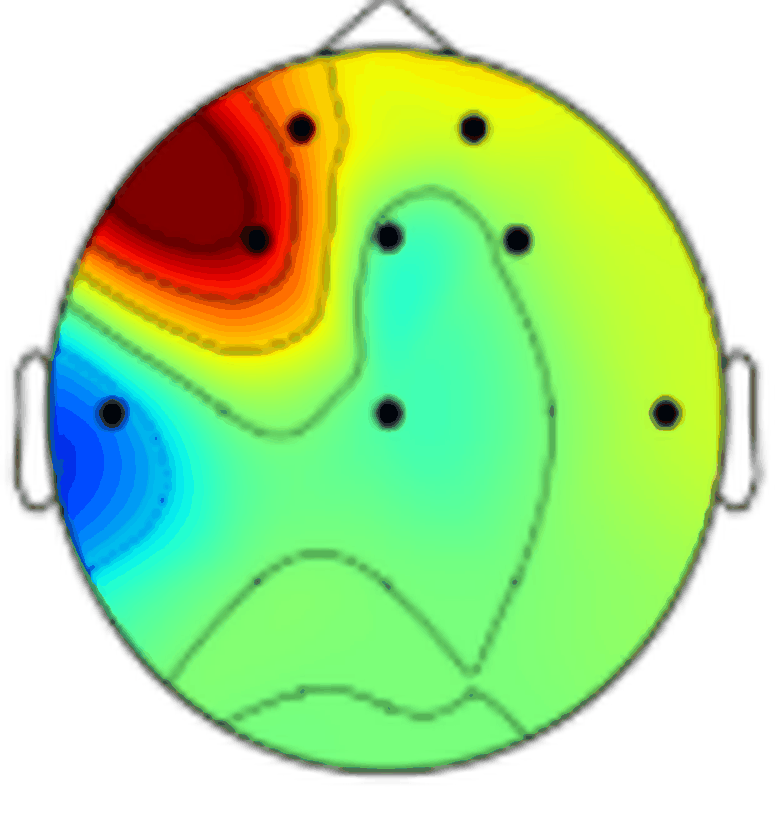
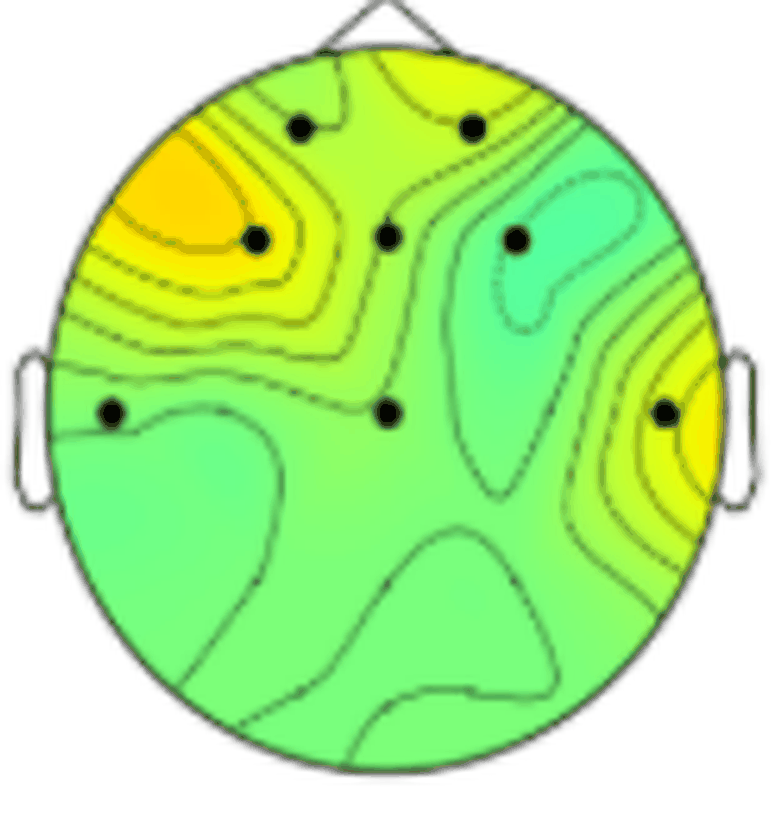
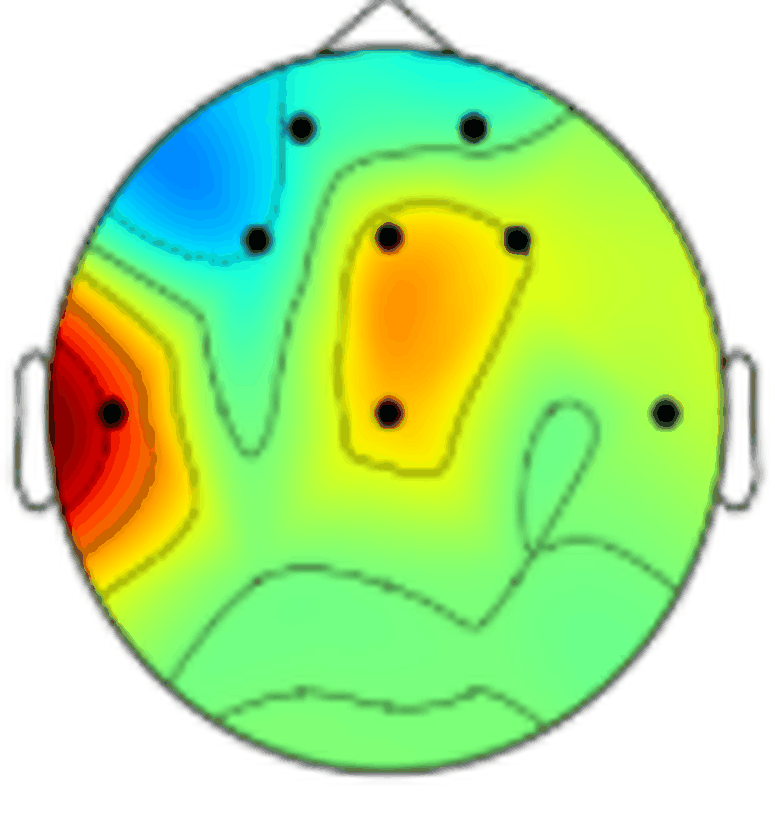
One client, measured
Baseline1 month
Left and right back in balanceBeta. A steadier, more balanced mood.
Less idling, less fogDelta. Clearer thinking and more energy.
Easier to relaxAlpha. A quieter mind and better rest.
Depression PHQ-911→5
Anxiety GAD-72→0
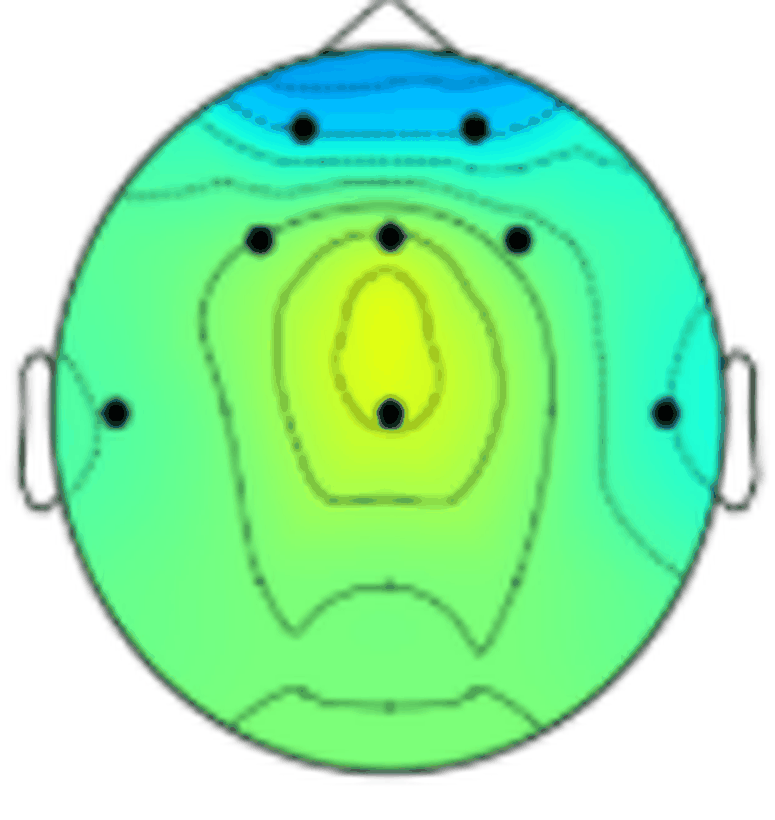
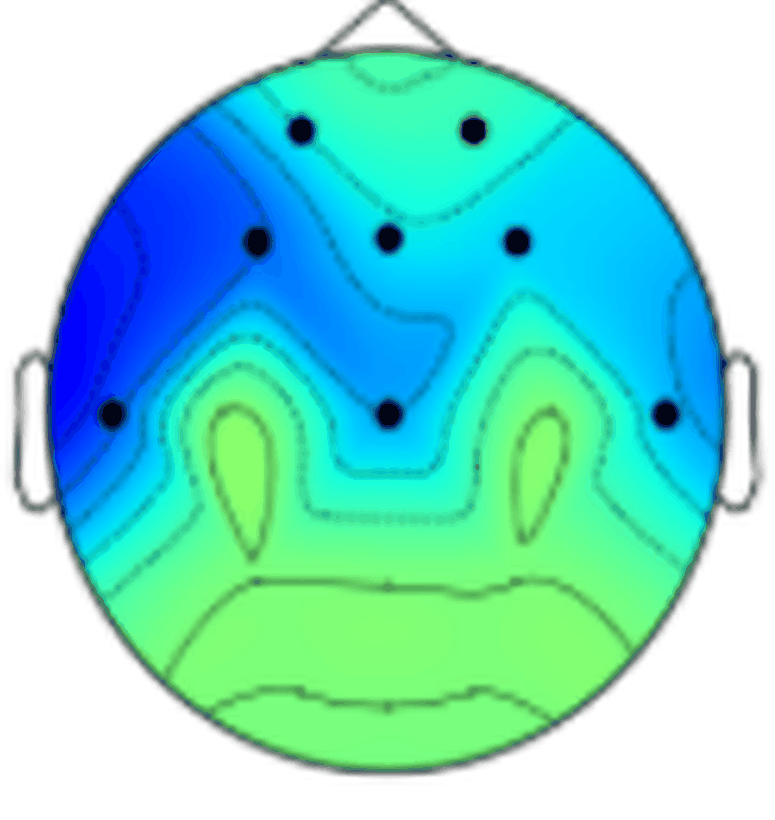
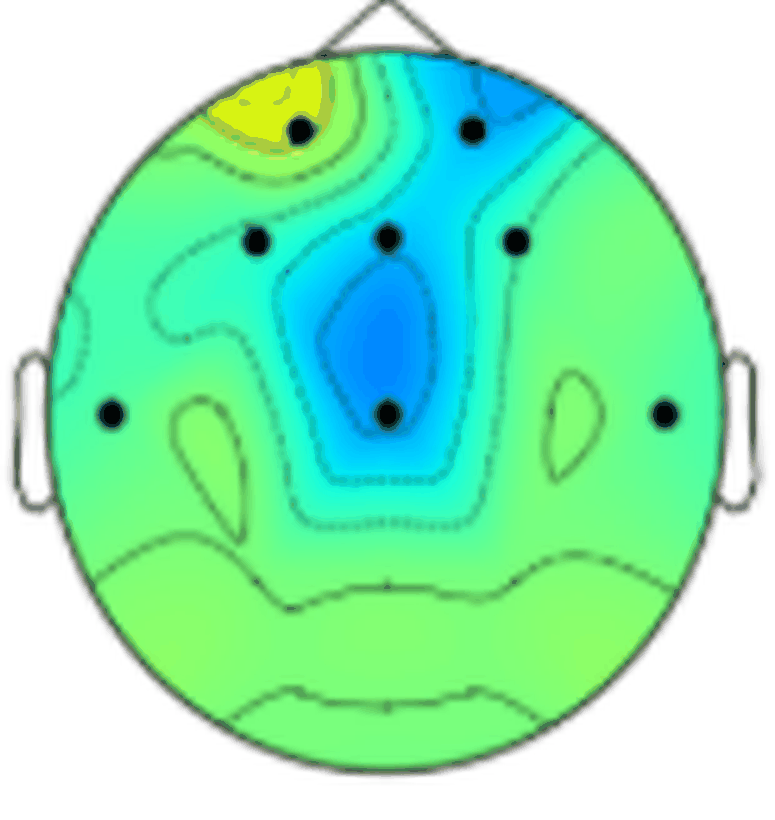
Real qEEG maps and questionnaire scores from one client at baseline and one month later, shown de-identified. Green is typical for their age; warmer means more activity than typical, cooler means less. Individual results vary.
What a month looks like
MapA 20-minute qEEG recording, eyes open and eyes closed, plus a plain-language walkthrough of what we see.
ProtocolTraining targets chosen from the map and your goals: where to settle, where to sharpen.
TrainSessions of 30 to 45 minutes, typically two or three times a week, in person or at home.
Re-mapA follow-up map and a written progress report each month. The protocol adjusts to what changed.
Service 07
Case Management & Provider Collaboration
NeuroRecovery can serve as the coordinating layer between clients, families, treatment centers, physicians,
therapists, psychiatrists, sober companions, and other members of a care team.
Most families are doing this job themselves. Handing it off means one plan instead of five, providers who
actually talk to each other, and brain and body data translated into next steps the whole team can act on.
Provider communication and treatment team alignment
Report review and organization
Behavioral planning and recovery strategy
Family communication support and a monthly family call
Scheduling oversight across the care team
Case management coordinates care. It does not replace any licensed provider on your team.
The Process
A clear, four-step path.
We start with what's actually happening in the data, in the body, and in the behavior, then
build a structured plan around it.
01
Assessment & Intake
Clarify goals, history, current challenges, symptoms, lifestyle, recovery context, and available lab/brain data.
02
Data Integration
Review blood panels, brain maps, behavioral patterns, recovery history, provider input, and current support systems.
03
Personalized Plan
Develop a targeted coaching, curriculum, supplementation, neurofeedback, and case management plan.
Clients with relapse vulnerability despite strong insight
People with TBI history or cognitive/emotional regulation issues
Executives and high performers under chronic stress
Families seeking a more organized brain-based support plan
Treatment centers integrating neurofeedback and neuroscience-based curriculum
Clients who need practical tools, not just insight. People ready to train, not just talk.
The Difference
What makes NeuroRecovery different.
Integrates brain data, body data, and behavior
Combines neuroscience with practical coaching
Uses curriculum-based neuroplasticity principles
Focuses on prefrontal regulation and top-down control
Offers high-touch case management
Can collaborate with existing treatment teams
Designed for real-world behavioral change, not abstract insight
Uses neurofeedback and brain mapping to personalize strategy
Beneath the conversation, beneath willpower.
Most recovery and performance models rely heavily on conversation, insight, or willpower.
NeuroRecovery targets the systems underneath behavior:
the nervous system, brain state, physiology, habits, identity, and environment.
Potential Outcomes
Areas clients commonly work toward.
Below are areas of growth NeuroRecovery is designed to support. Outcomes vary by individual.
Better emotional regulation
Improved self-awareness
Reduced automatic reactivity
Stronger impulse control
Improved follow-through
Better recovery planning
Increased stress tolerance
Better sleep & recovery routines
Improved cognitive clarity
More consistent values-based behavior
Stronger communication with care teams
Better understanding of brain/body patterns
Outcomes vary by individual. NeuroRecovery does not guarantee specific clinical results.
In Their Words
When the work meets the moment.
“
“After four months in a top-tier treatment facility with little progress, one conversation with Dr. Effinger changed everything.
Within weeks, we began to see a remarkable shift in Ryan's recovery.”
Read the full story
My son, Ryan, has both a traumatic brain injury and a substance use disorder. He spent four months in treatment at a highly reputable facility, yet showed little sign of progress or hope. At a point of deep frustration, I was introduced to Dr. Devin Effinger through a recovery coach — and after just one conversation, I knew he had the insight and empathy that could truly reach my son.
Dr. Effinger brings an extraordinary combination of clinical expertise, scientific innovation, and lived experience. Having personally navigated recovery after his own traumatic brain injury, he approaches his patients with rare authenticity and understanding.
Within just a few weeks of working with Dr. Effinger, we began to see a remarkable shift in Ryan's recovery. Devin met Ryan exactly where he was — helping him move from a place of anger and victimhood to one of ownership, responsibility, and genuine engagement in his healing. Recognizing that anger was a driving force behind Ryan's behavioral and substance challenges, Dr. Effinger created a customized version of his RISE framework tailored specifically for him. The results have been transformative.
Dr. Effinger's compassion, creativity, and commitment to individualized neuro-recovery have brought renewed hope to our family and lasting change to Ryan's life. I cannot recommend him highly enough to anyone seeking truly effective, neuroscience-based care for brain injury and addiction recovery.
Ryan's motherParent of a NeuroRecovery client · TBI + substance use recovery
Worked with NeuroRecovery? Share your experience. Every story is reviewed before it appears here.
What Happens After You Book
Three steps from your first message to a plan.
Low pressure, high clarity. You'll know whether NeuroRecovery is the right fit before any commitment.
STEP 01 · 15 MIN
Free discovery call
We'll talk through what you're navigating, what you've already tried, and whether brain-based work makes sense for you. No commitment. No sales.
STEP 02 · 60–90 MIN
Brain & intake session
If we move forward, we begin with a structured intake plus optional qEEG brain mapping. You'll leave with a clear picture of what your nervous system is actually doing.
STEP 03 · YOUR PACE
Personalized plan + training
A targeted plan combining coaching, RISE curriculum, neurofeedback, and case management, sequenced for your goals, your timeline, and your existing care team.
Frequently Asked Questions
Common questions about NeuroRecovery.
Practical answers to what most people want to know before scheduling a consultation.
Is NeuroRecovery a medical or mental health treatment?
No. NeuroRecovery provides coaching, education, neurofeedback support, and optimization
services. We do not diagnose, treat, cure, or prevent disease and do not replace care from
licensed medical or mental health professionals. We can, however, collaborate with your
existing providers.
What is qEEG brain mapping?
A quantitative EEG brain map records patterns of electrical activity across the brain.
NeuroRecovery uses brain-map findings to inform individualized neurocoaching and
neurofeedback strategies. Brain maps are interpreted as one piece of a broader optimization
picture, not as standalone diagnostic tools.
What is neurofeedback and how does it work?
Neurofeedback is a non-invasive brain training process that uses real-time EEG feedback to
help the brain learn more regulated patterns of activity. Protocols are customized based on
brain-map findings, client goals, and observed response over time.
Who is NeuroRecovery for?
Individuals in recovery, people with TBI history or cognitive and emotional regulation
challenges, executives and high performers under chronic stress, families seeking an
organized brain-based support plan, and treatment centers wanting to integrate neurofeedback
and curriculum-based coaching.
What is the RISE Curriculum?
RISE (Reflect, Interrupt, Shift, Engage) is NeuroRecovery's proprietary curriculum
framework designed to train self-awareness, interrupt automatic reactions, regulate the
nervous system, and act from values and long-term identity rather than reactivity.
Can NeuroRecovery work alongside my existing care team?
Yes. NeuroRecovery can serve as a coordinating layer between clients, families, treatment
centers, physicians, therapists, psychiatrists, sober companions, neurofeedback providers,
and other members of a care team.
Free 15-Minute Discovery Call
Tell us where you are. We'll take it from there.
Share a little about what brought you here. We typically reply within 24 hours with next steps,
available times, and any questions to help you decide if this is a fit.